Winter is a good time to plan a garden because the structure of the yard is easier to see. Without leaves and summer growth, you can notice sightlines, drainage, empty areas, crowded shrubs, and places where a new planting would make everyday life better. Use the quiet season to make a simple plan before spring buying begins.
Review what happened last season
Look through photos from spring, summer, and fall. Notice what thrived, what struggled, and where maintenance felt heavier than expected. Write down recurring problems such as a wet corner, deer damage, a view from the kitchen you want to soften, or a bed that disappears after June.
Map sun, water, and views
Sketch the yard or take a screenshot of an aerial view. Mark where the sun is strongest, where water collects after rain, existing trees, utilities, paths, windows, and areas people use most. You do not need a perfect drawing; you need enough information to avoid placing a sun-loving plant in shade or a large shrub in front of a view.
Choose one or two clear goals
Good plans start with a purpose. Your goal might be to create a low-maintenance front border, add privacy near a patio, make a pollinator-friendly bed, improve a difficult foundation planting, or build a gathering space that feels more finished. A single clear goal is more likely to be completed than a vague plan to redo the whole yard.
Build the planting in layers
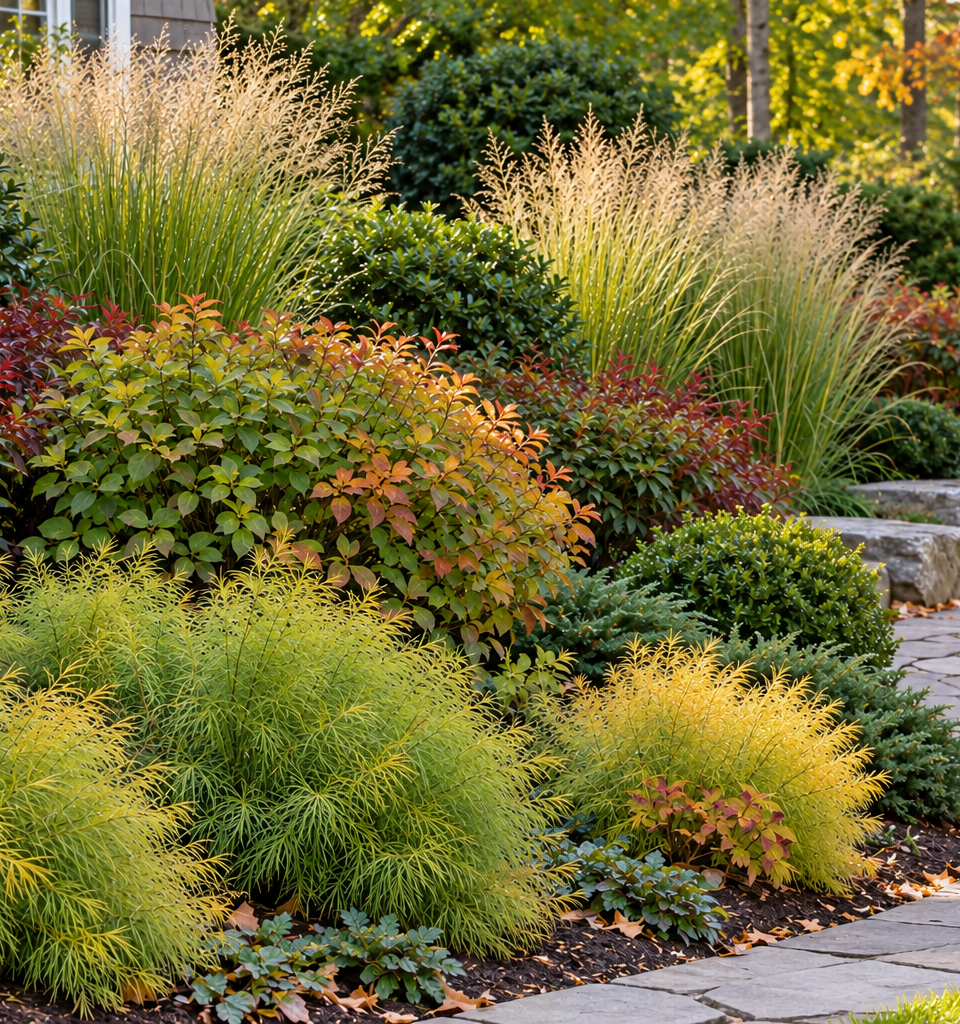
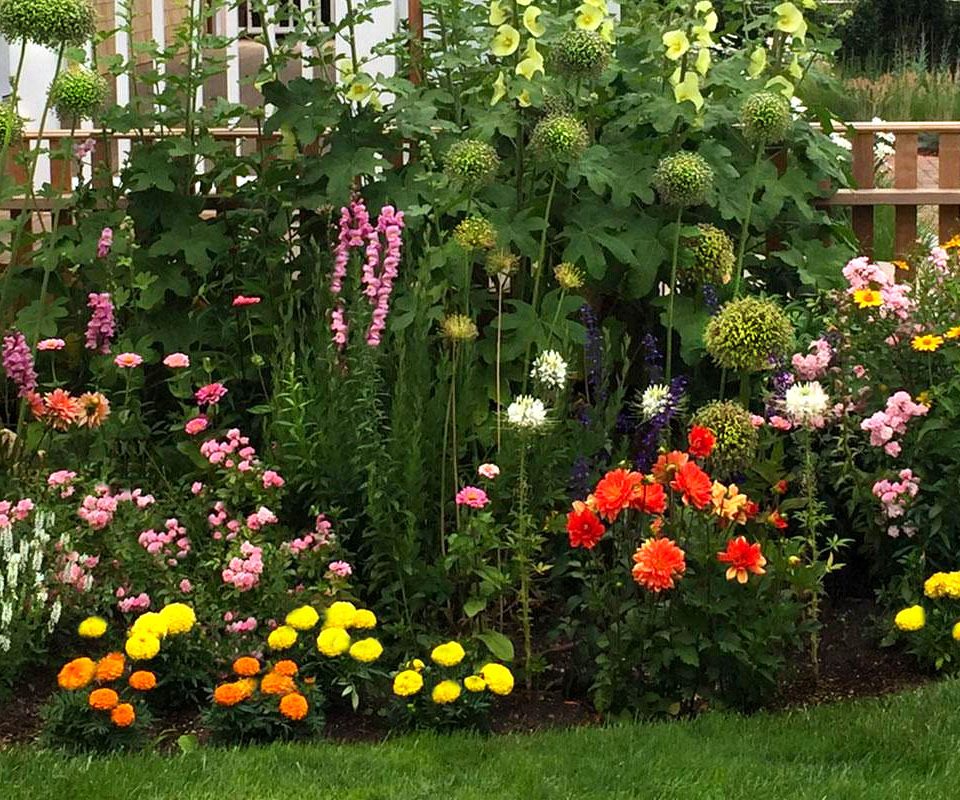
Think in layers rather than buying plants one at a time: a tree or tall shrub layer where appropriate, medium shrubs or perennials, smaller plants at the edge, and groundcover or mulch to connect the space. Add interest across seasons by considering flowers, foliage, fall color, and winter structure. Leave enough room for each plant to reach a reasonable mature size.
Make a phased budget and schedule
Separate the project into steps. Start with site preparation, soil needs, or drainage if those are the real constraints. Then decide what must be planted first and what can wait until the next season. A phased approach lets you buy better plants at the right time rather than filling a bed with impulse purchases.
Prepare useful questions for a garden center
Bring dimensions, photos, sun information, your USDA zone, and a short list of must-haves. Ask about mature size, watering during establishment, deer tolerance, winter performance, and whether a plant is appropriate for your local conditions. Those questions lead to better advice than asking only which plant is prettiest.
Keep the plan easy to revisit
Save the sketch, plant list, and before photos in one place on your phone. Add notes as the seasons change. A living record helps you avoid buying the same failed plant twice and gives a garden center or landscape professional the context needed to make better suggestions next time.
The goal is a plan you can improve, not a document you finish once and forget.
Start with a quick measurement guide, then use  Dirt AI to turn your photos and goals into a garden direction before spring arrives.
share this article