Quick answer: A thoughtful landscape can make a home feel more welcoming, usable, and cared for, but it cannot guarantee a particular appraisal, sale price, tax outcome, or return on investment. The best garden improvements solve real site problems, suit the property, and can be maintained without becoming a burden.
Think beyond a quick first impression
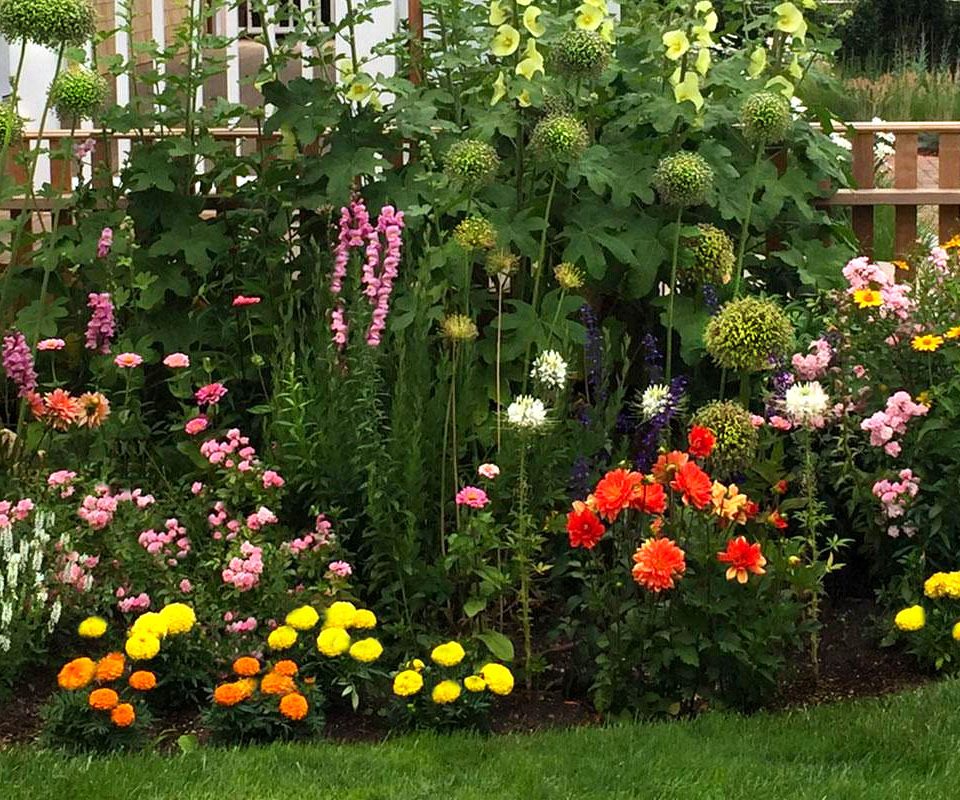
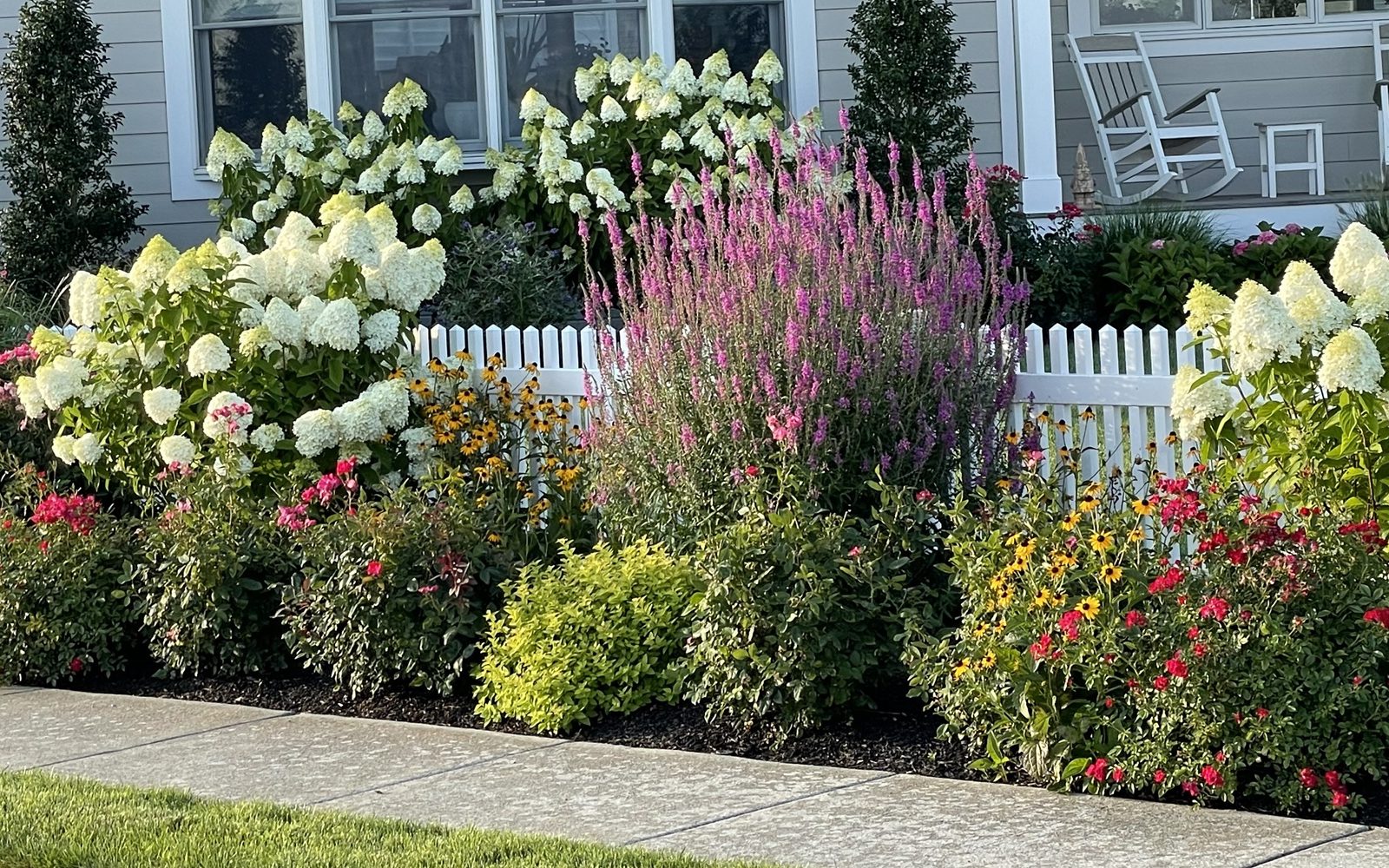
Curb appeal begins with what someone sees from the street, but a strong landscape also works at walking pace. The entry should be easy to find, paths should feel safe and clear, and plants should frame the house without hiding windows, signs, or sight lines. A tidy garden that fits the architecture often has more staying power than a dramatic one-season display that quickly becomes overgrown.
If you are preparing to sell, separate aesthetic choices from financial assumptions. Real-estate markets, buyer preferences, and appraisal standards vary. A local real-estate professional or appraiser is the right source for property-specific financial questions. gardenUP can help you plan the garden, not predict a sale price.
Fix the site before decorating it
The most valuable gardening decision may be solving a practical issue: poor drainage near an entry, a narrow path that is hard to use, a bare foundation bed, or plants that block views from a driveway. Observe the site after rain, during the hottest part of the day, and at night before adding new features. This reduces the risk of spending on plants or materials that do not fit the problem.
- Keep walkways, steps, and house numbers visible.
- Choose plants for mature size so they do not overwhelm doors and windows.
- Direct water safely away from the foundation before planting nearby.
- Use lighting and seating only where they improve function and safety.
Good site planning is also kinder to plants. Improving garden soil and drainage gives every later investment a better chance to last.
Choose a garden you can maintain
Buy plants for the conditions they will live in, not only for the day they are installed. A low-maintenance garden may include a small tree, a few shrubs, repeated perennials, and mulch rather than a dense collection that needs constant cutting back. Match plant choices to sunlight, soil, winter exposure, local deer pressure, and the amount of seasonal care you can realistically provide.
Healthy plants and clean edges make more impact than an oversized plant list. Leave space for plants to grow, protect root zones from mowing equipment, and plan for watering during the establishment period.
Build outdoor usefulness into the design
A front garden can make arrival feel better; a backyard garden can make a patio, shade tree, or seating area more enjoyable. Use plants to define an outdoor room, screen an unwanted view, soften a hard edge, or guide movement toward a destination. Design for how you live there now instead of copying a photo that belongs to another climate or property.
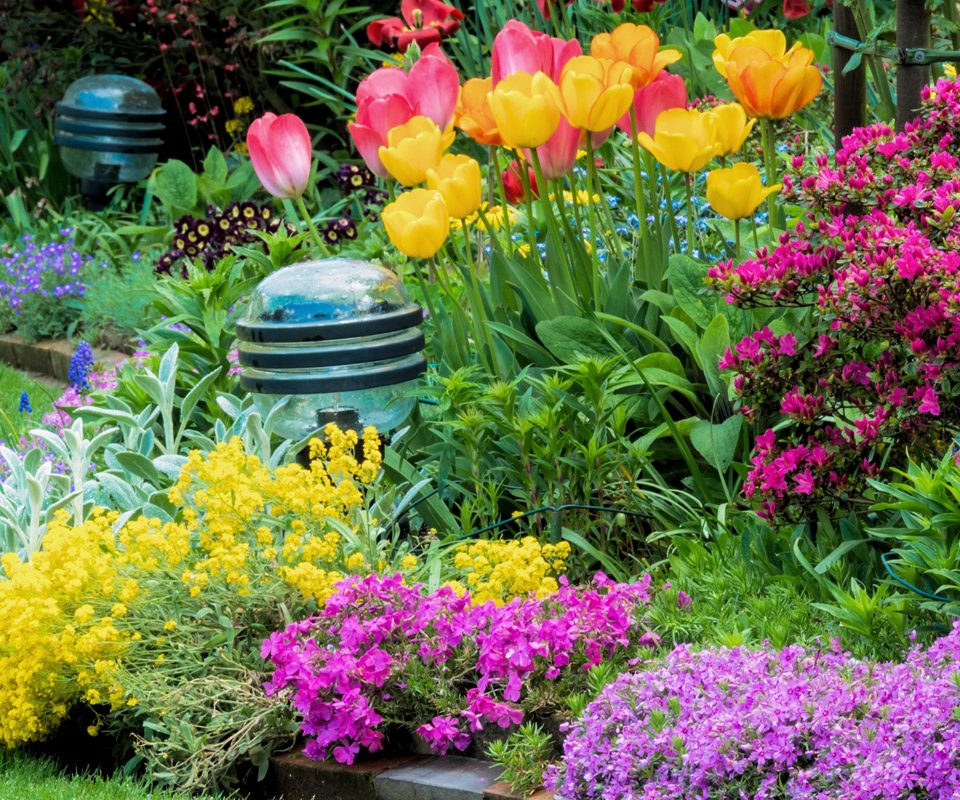
Color is one powerful way to make a garden feel finished. Explore garden color design ideas for a practical way to connect the house, entrance, and planting beds.
Make decisions with a clear plan
Photograph the property from the street and from the main entry, then write down what you want the garden to improve. Measure the area and identify plants or features worth keeping. Those simple notes can turn a vague “curb appeal project” into a phased, maintainable plan. Use  Dirt AI to explore a garden layout, then confirm materials, plant availability, and site-specific decisions with a local garden center or landscape professional.
share this article