
Home Gardeners
Spotted Lanternfly: A Garden Guide for Homeowners
Learn how to identify spotted lanternfly, avoid spreading it, and find current state guidance before choosing a response.

garden insights topic
Practical growing guides for plants, light, water, and placement.
Try Dirt AI
find a useful answer
Learn how to identify spotted lanternfly, avoid spreading it, and find current state guidance before choosing a response.

Choose a disease-resistant shrub rose for your light and space, then give it sun, airflow, deep watering, and simple care.
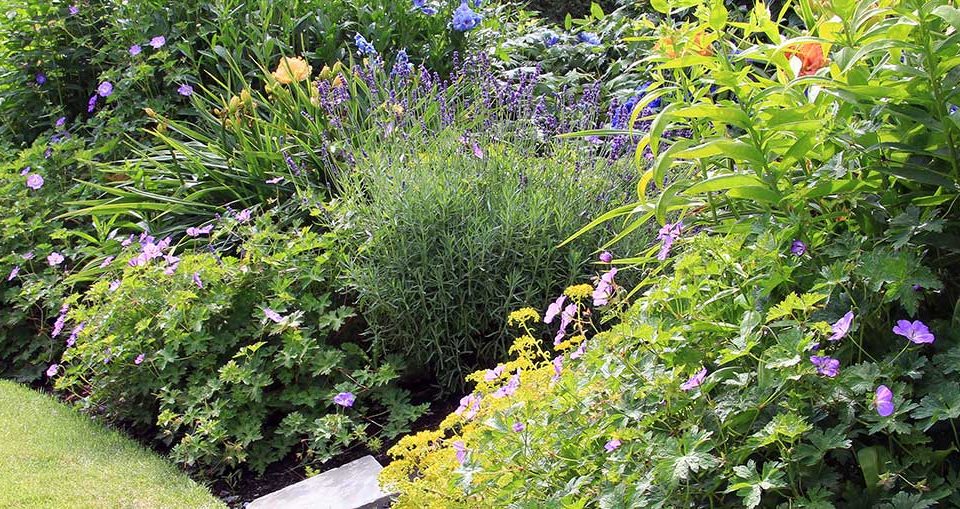
Test first, amend only for an identified need, and build better soil structure and organic matter over time.
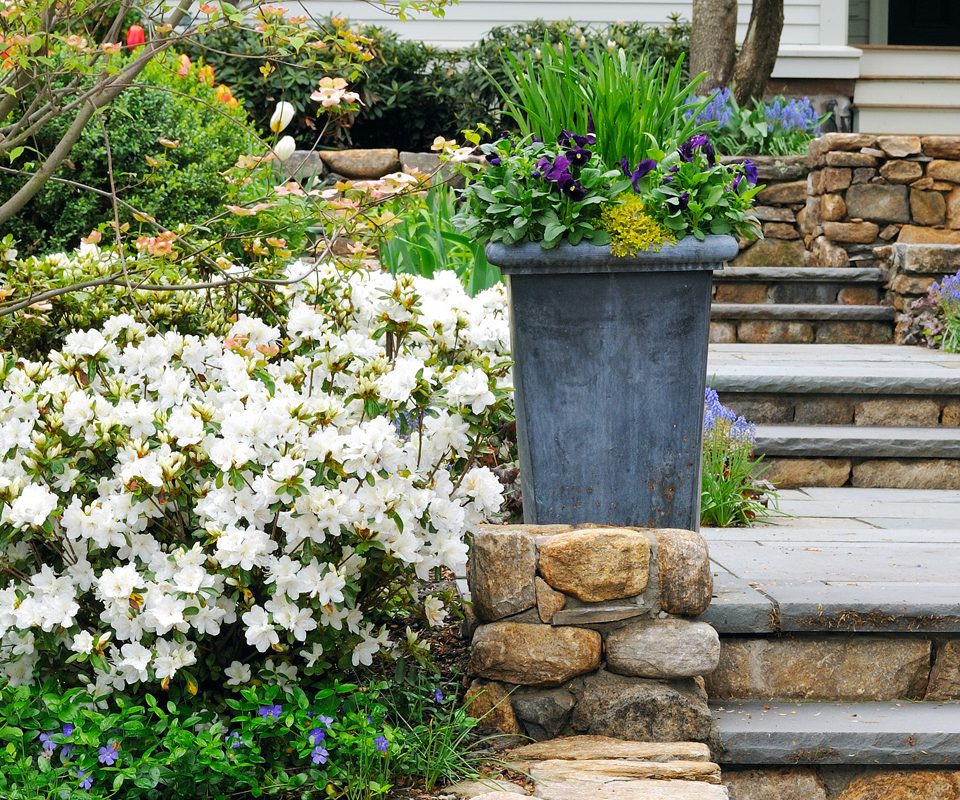
Grow better begonias by matching the type to your light, using well-drained soil, and keeping roots evenly moist.
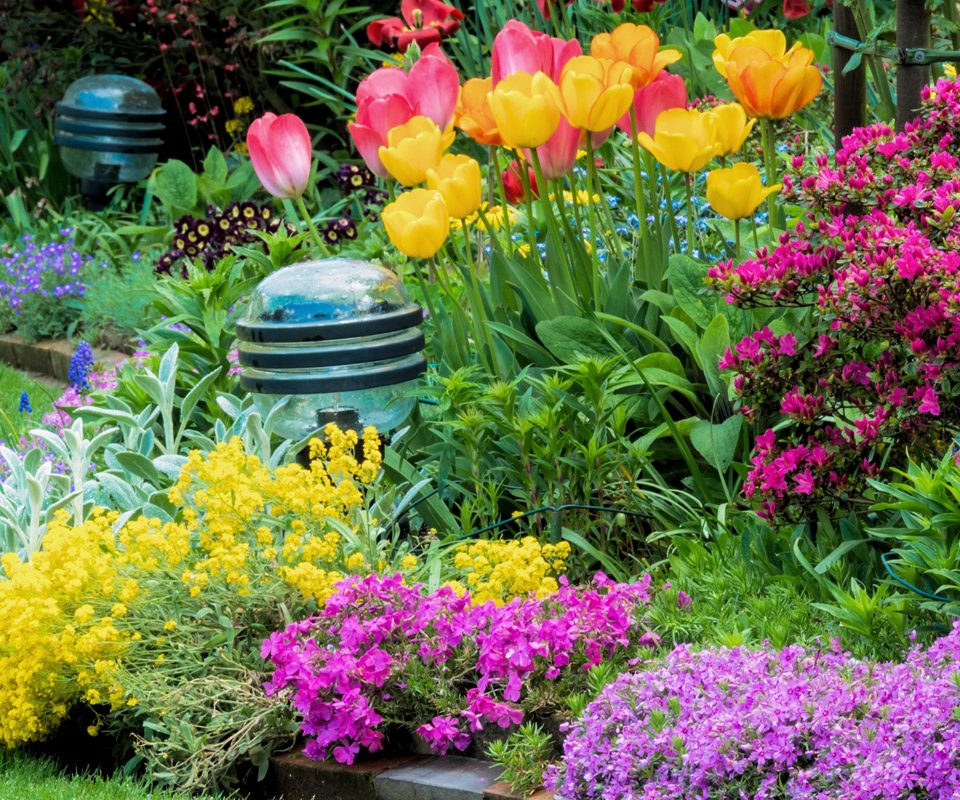
Choose native plants for your state, sun, moisture, mature size, and bloom timing to support a resilient pollinator garden.
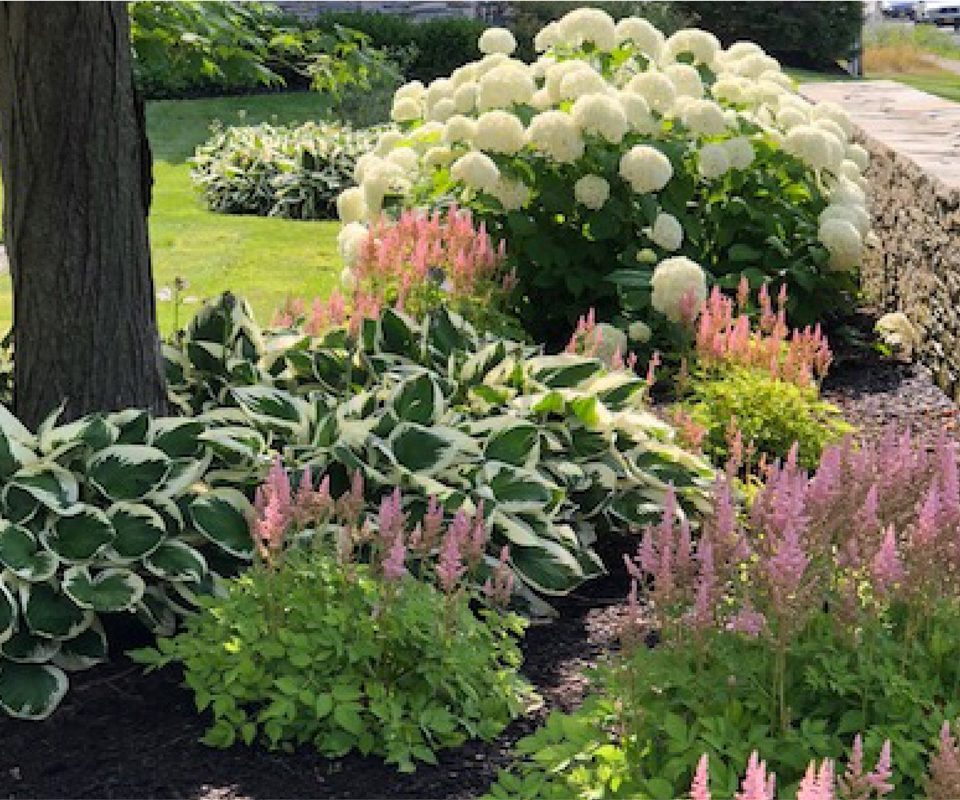
Choose the right hydrangea for the site, provide reliable moisture and drainage, and prune for its specific bloom habit.
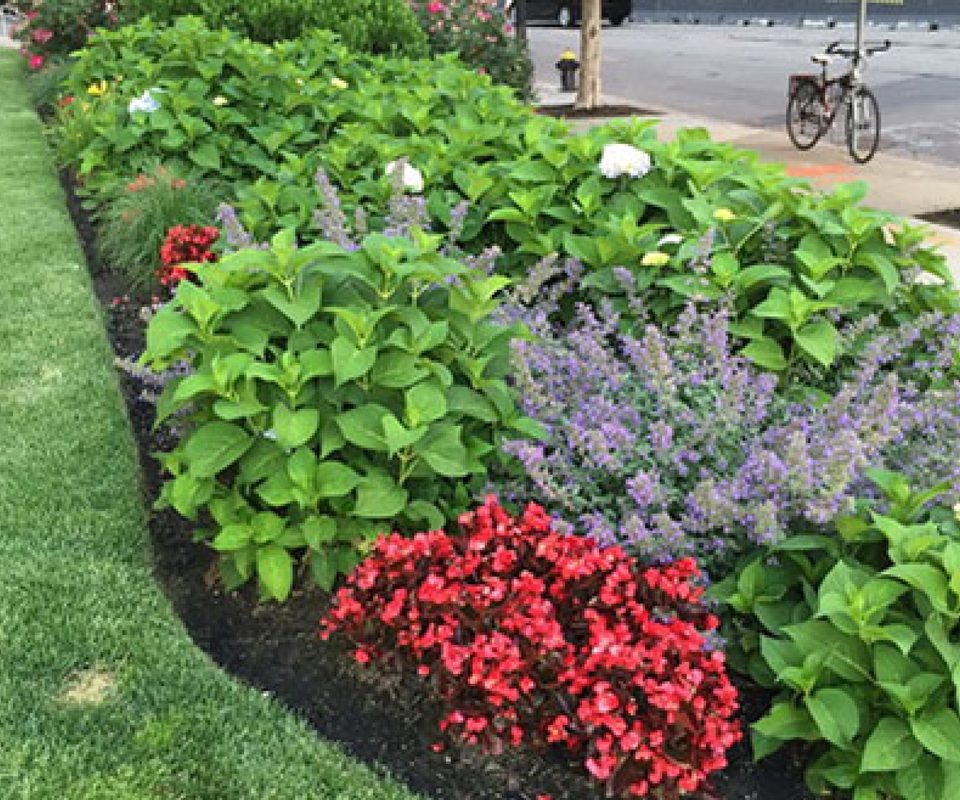
Add movement and late-season texture with a fountain grass suited to your climate, mature space, and local invasive-plant guidance.
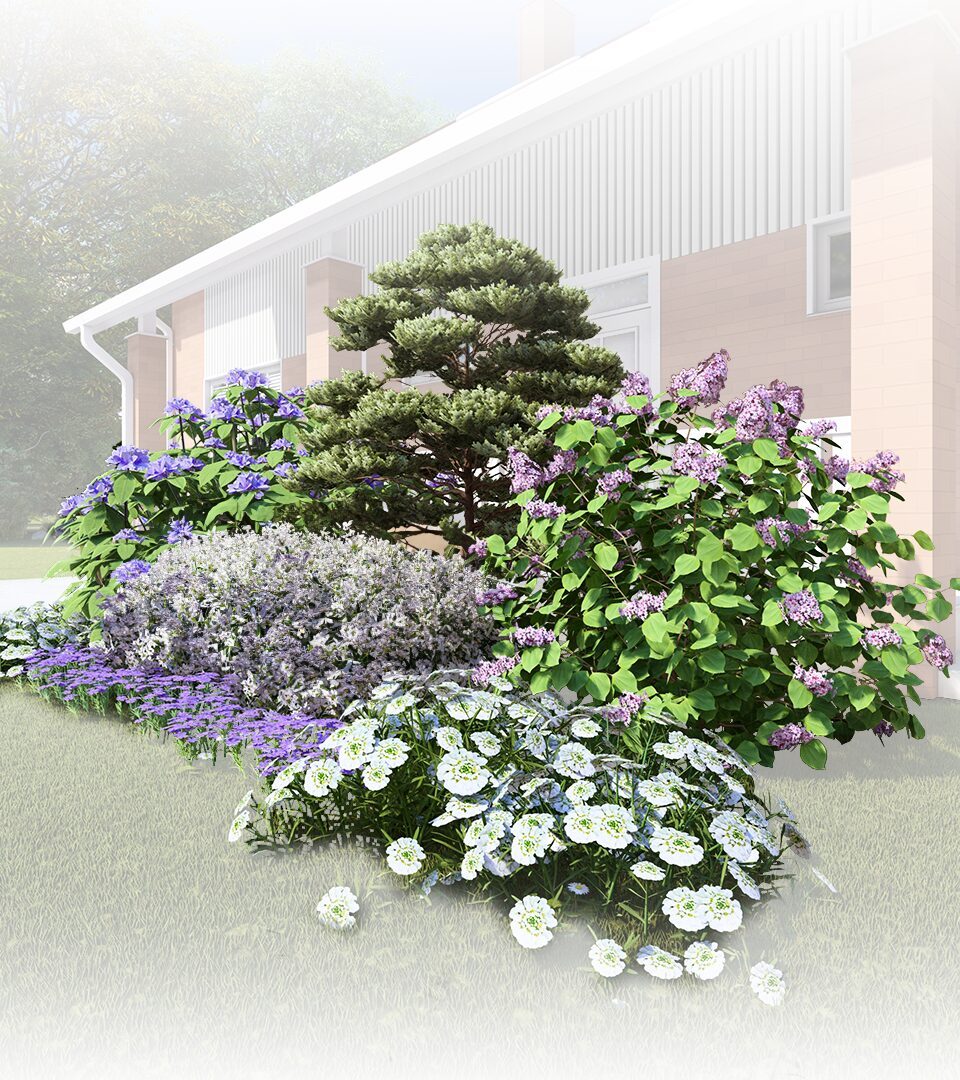
Get more lilac flowers with full sun, good drainage, room for airflow, and pruning soon after bloom.
Grow healthy daylilies with sun, well-drained soil, space to form a clump, and division when flowering declines.
Plant coneflowers in full sun and good drainage for resilient summer color and a more active pollinator border.
Keep a potted Easter lily bright and cool, protect cats, and consider outdoor planting only when your climate and timing allow.
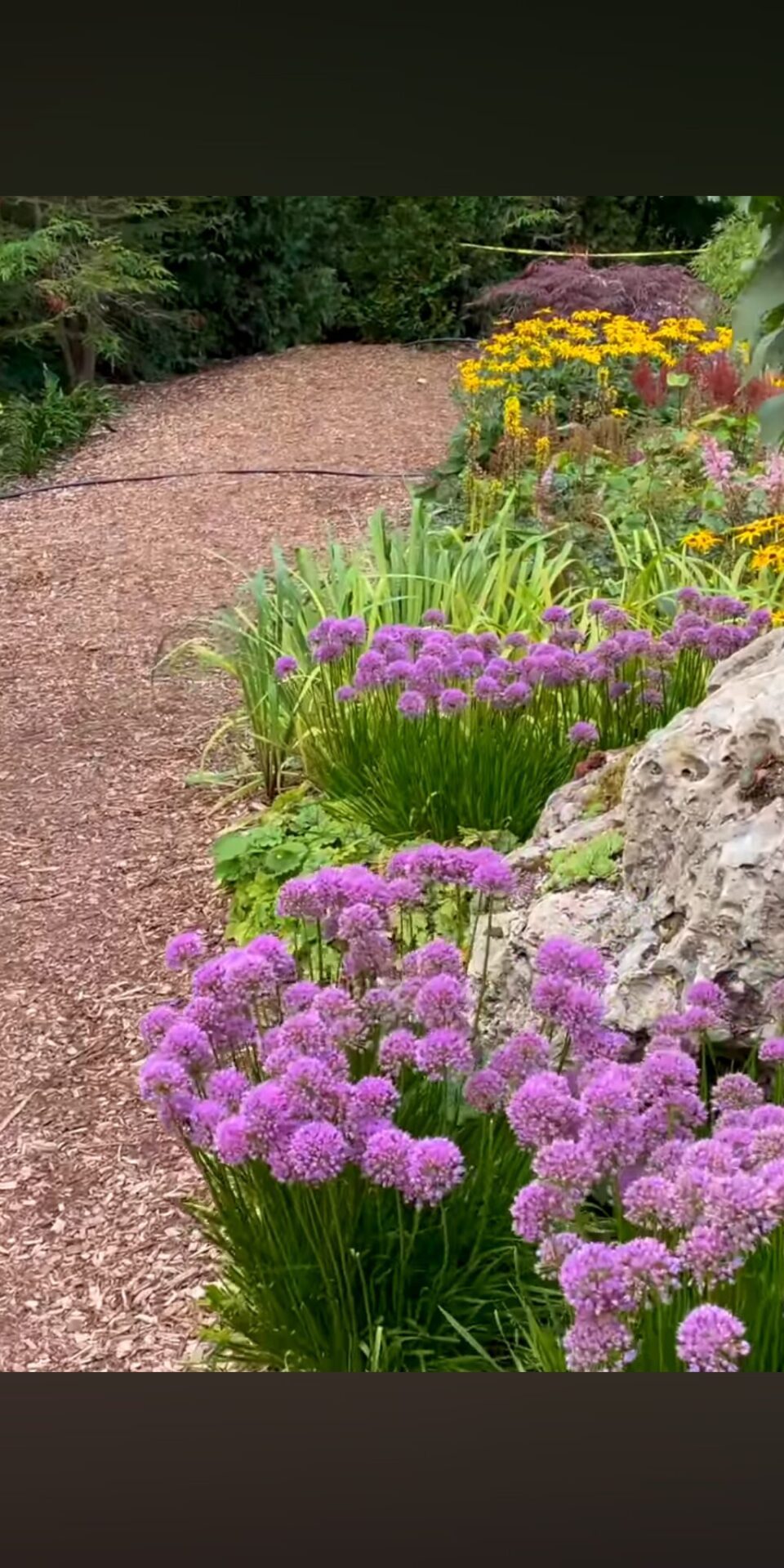
Choose a birch tree for your climate and space, protect roots from heat and drought, and watch for stress before decline.